An El Paso traffic ticket can look simple, but the decision you make at the beginning can affect the rest of the case. The court, issuing agency, allegation, deadline, driving history, license type, and any related accident can change the available options. Paying a ticket, requesting a course, entering a plea, or asking for a trial are not interchangeable choices. A focused review starts with the citation itself and the official record for the court that received it.
Traffic Tickets 915 represents drivers in a range of fine-only and Class C matters, including many speeding, stop-sign, insurance, registration, license, and other moving-violation cases. Representation does not guarantee dismissal, reduced fines, or a particular driving-record result. It does give you a local team that can organize the facts, explain the procedure, communicate with the court where allowed, and help you respond before a missed date creates a second problem.
First, identify the El Paso court on the citation
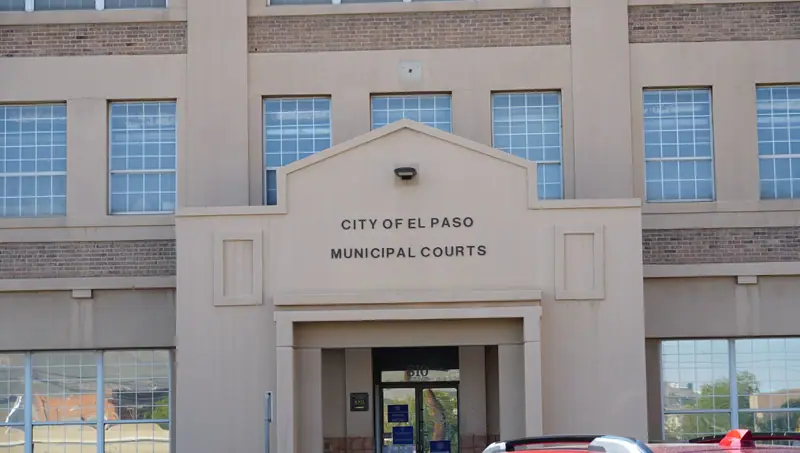
The City of El Paso Municipal Court handles Class C misdemeanors and civil parking matters issued within City limits. City guidance directs citations issued by the El Paso Police Department to Municipal Court. El Paso County, meanwhile, directs people who received citations from other agencies to contact the Justice of the Peace precinct shown on the citation. A county mailing address alone does not identify the court; the issuing agency and the printed court information usually do.
This distinction matters because payment portals, course requests, arraignment procedures, forms, locations, and local deadlines can differ. The City maintains an official citation, warrant, and docket search portal. The County maintains a Justice of the Peace directory and an ePay portal for qualifying open JP Class C cases. These tools are useful for locating public information, but an online balance or search result is not a complete legal evaluation of the charge.
- Read the court name and appearance date directly from the citation.
- Confirm the case through the official City or County court resource.
- Do not assume a parking citation and a criminal traffic citation follow the same process.
- If the date is unclear or has passed, contact the court or counsel promptly.

Understand the allegation, plea choices, and trial rights
Signing a Texas traffic citation is generally a written promise to appear, not an admission that the allegation is true. At an arraignment, the court identifies the charge and receives a plea. El Paso Municipal Court describes guilty, no-contest, and not-guilty pleas. A not-guilty plea moves the matter toward a formal trial, where the State must prove the charge beyond a reasonable doubt. A defendant may request a judge or jury trial where the law and court procedure allow.
The City also lists rights that include inspecting the complaint, remaining silent, examining witnesses, presenting witnesses, and being represented by counsel. Texas Transportation Code Chapter 543 provides that an appearance by counsel may comply with a written promise to appear. That rule should not be read as a universal promise that a client never needs to attend. The court, charge, stage of the case, and representation arrangement can still create a personal-appearance requirement.
Choosing a plea is a legal decision with possible consequences beyond the fine shown on a portal. The City notes, for example, that a guilty plea may be used in a later civil case arising from a crash, while a no-contest plea is treated differently for that purpose. A lawyer can review the citation and your priorities before you make a case-dispositive choice.

Driving safety courses and deferred disposition are court-controlled options
A driving safety course may be available in some traffic cases, but it is not automatic and it is not appropriate for every driver or allegation. El Paso Municipal Court publishes by-right eligibility criteria that address age, license status, commercial driver licenses, prior course history, alleged speed, and excluded offenses. A qualifying request must be made on time and includes a plea, costs, and an administrative fee. A nonqualifying request may need to be presented to the judge, who controls the decision.
For a City course order, the court currently lists a 90-day completion period and asks for a Texas Department of Public Safety Type 3A certified driving record, the court copy of a Texas Department of Licensing and Regulation completion certificate, and proof of insurance. DPS identifies Type 3A as the certified record generally used for defensive driving, but the specific court should confirm what it requires. Missing or incomplete proof can bring the case back before the court.
Deferred disposition is another possible court agreement. It generally requires the person to satisfy conditions during a set period before the court decides whether dismissal follows. Availability and terms depend on the charge, history, law, prosecutor, and judge. Neither a course nor deferred disposition should be described as a guaranteed dismissal, automatic record protection, or substitute for reviewing the actual citation.

Fines, payment plans, missed dates, and license concerns need separate review
Most municipal traffic violations are fine-only, but the legal consequence is not captured by one advertised ticket price. Texas law sets different penalty provisions, and court costs or fees may be added. The City states that many Municipal Court traffic violations have a maximum fine of $200, but another statute can control a specific charge. A lawyer’s fee, court fine, court cost, DPS requirement, and third-party course or insurance cost are separate items.
If a person cannot pay a City case in full, the court publishes information about a 180-day payment-plan request made before the appearance or arraignment date. The City also describes an indigency hearing where a judge may consider community service or a payment arrangement. These are court-controlled procedures, not promises. A request made after a deadline or in a different court may follow another process.
The City warns that failing to plead to every listed charge by the appearance date or a stated pre-warrant hearing can lead to an arrest warrant and an added warrant fee upon conviction. DPS separately explains that its Failure to Appear/Failure to Pay Program may prevent driver-license renewal when a reporting court submits qualifying noncompliance. Do not assume one ticket automatically suspends a license, and do not assume paying online resolves every consequence. Verify the court record and the DPS status that actually apply.

How a local traffic ticket lawyer may help
A useful case review is practical. It identifies the correct court, charge, appearance date, current case posture, license type, driving history, and the outcome you need to protect. Counsel can evaluate available defenses, course or deferred options, trial considerations, and court-specific requirements. Where permitted, counsel may file an appearance, communicate with the prosecutor or court, attend settings, and track required documents.
Special circumstances deserve early attention. Commercial drivers, drivers under 25, juveniles, out-of-state license holders, people involved in crashes, and anyone with immigration or employment concerns may face consequences that a general website cannot predict. Bring those facts to the first conversation. Traffic Tickets 915 can explain whether the matter fits the firm’s scope and what information is needed next.
Not sure which court has your ticket?
Check the official El Paso court sources
If you have a ticket but are not sure where it was filed, first read the court or agency printed on the citation. El Paso Police Department tickets are generally handled by El Paso Municipal Court. Sheriff, constable, DPS, or county-area citations may be filed with the Justice of the Peace precinct shown on the ticket.
Official court pages provide administrative case information. Confirm the court and response date before taking action.FAQ
Frequently asked questions
Is signing a Texas traffic ticket an admission of guilt?+
Generally, no. A citation commonly includes a written promise to appear. The allegation still must be addressed in the court shown on the ticket. Keep the citation and respond by the stated date.
Can a lawyer appear for my traffic citation?+
Texas Transportation Code Chapter 543 recognizes compliance with a written promise to appear through an appearance by counsel. A personal appearance may still be required because of the charge, court, case stage, or judge’s order, so the specific record must be reviewed.
Can I take defensive driving for an El Paso ticket?+
Possibly. El Paso Municipal Court publishes eligibility rules and exclusions involving age, license status, CDL status, recent courses, speed, and offense type. Timing and documents matter, and the judge controls discretionary requests.
What happens if I missed the appearance date?+
Check the issuing court promptly. The City warns that a missed date can lead to a warrant and added fees in qualifying cases. The actual status should be confirmed through the official court record rather than assumed from a letter or balance.
What if I cannot pay the fine in full?+
El Paso Municipal Court publishes payment-plan and indigency-hearing procedures. A judge may consider alternatives such as a plan or community service, but eligibility and terms are case-specific. Other El Paso courts may use different procedures.
Will one ticket suspend my license or raise my insurance?+
No website can answer that from the ticket type alone. The charge, final disposition, driving history, license class, insurer rules, and any DPS action all matter. Review the record before relying on a predicted consequence.
El Paso County focus
Official resources
These government and nonprofit pages provide general public information. External sites may change and do not replace advice about your case.