

Losing regular driving privileges can disrupt work, school, medical care, child care, and basic household responsibilities. Texas law provides a process through which some people may ask a court for an occupational driver license, often called an essential-need license. It is not a full reinstatement. It is restricted authority to operate a noncommercial motor vehicle within the days, hours, reasons, places, routes, and other conditions stated in a court order and recognized by the Texas Department of Public Safety.
An occupational license case requires more than filling out a generic form. The reason for suspension, court with jurisdiction, county of residence or incident, conviction history, insurance status, essential driving need, and any alcohol-related restriction can affect eligibility and procedure. Traffic Tickets 915 helps El Paso County clients organize those facts, prepare a specific petition and proposed order, and understand the separate court and DPS stages without promising approval or an unrestricted license.
What a Texas occupational driver license is—and is not
Texas Transportation Code Chapter 521 describes an occupational license as restricted driving authority. The statute defines essential need to include driving connected with an occupation or trade, transportation to and from work, transportation to and from an educational facility where the person is enrolled, and essential household duties. The requested driving should therefore be tied to real destinations, schedules, routes, counties, and responsibilities rather than a general desire to drive.
The license applies to noncommercial driving. It does not authorize operation of a commercial motor vehicle governed by the commercial-driver-license chapter. A person who holds a CDL may still have a question about driving a personal noncommercial vehicle, but the commercial consequences and underlying suspension require separate review.
A signed court order and the plastic or paper occupational license issued by DPS are related but not identical. The court determines whether to grant relief and what restrictions apply. DPS processes issuance after receiving required certified documents, proof of financial responsibility, fees, and any reinstatement items. A favorable order does not erase the suspension or guarantee that DPS will issue immediately.
- Restricted noncommercial driving—not full reinstatement.
- Essential need should be documented with precise hours, destinations, and routes.
- The court may impose counseling, testing, interlock, supervision, or travel-log conditions.
- The certified order must be carried while driving when the law requires.

Eligibility and the correct El Paso court depend on the suspension
Texas law allows a verified petition in specified suspension, revocation, or cancellation situations, but not every license problem fits the occupational-license statute. Medical incapability, some child-support actions, ordinary DPS licensing requirements, immigration or documentation barriers, and other issues may not be solved by an occupational license. The reason shown on the DPS eligibility or suspension record must be reviewed first.
Venue is also fact-specific. Chapter 521 generally permits filing in a justice, county, or district court with jurisdiction that includes the county where the person lives or where the relevant event occurred. If the license was automatically suspended, revoked, or canceled because of a qualifying conviction, the petition may have to be filed only in the court of conviction. Court-order suspensions have additional statutory venue rules.
El Paso County’s District Clerk identifies occupational driver license matters as civil cases and publishes a petition packet, data sheet, fee-waiver form, fee schedule, and e-filing resources. Those local forms are useful procedural references, but some posted forms predate the 2023 statutory changes. They should be checked against current law and the instructions of the court that actually has jurisdiction rather than treated as a universal filing package.

A strong petition explains the essential driving need with evidence
Current Chapter 521 requires a verified petition that details the essential need, including hours and locations of travel; explains why the license was suspended, revoked, or canceled; provides evidence of financial responsibility; and includes a certified abstract of the complete driving record. DPS identifies the Type AR record as the certified abstract that includes suspensions. It also identifies an SR-22 Financial Responsibility Insurance Certificate as an issuance requirement and states that an ordinary insurance card is not a substitute.
Work evidence may include an employer letter, shift schedule, job-site list, mileage, and a route plan. School evidence may include enrollment, class times, campus locations, or training requirements. Household evidence may include medical appointments, child-care schedules, grocery access, caregiving, and other essential duties. The goal is to give the judge a reliable, practical description of why, when, and where driving is necessary.
El Paso County’s data sheet asks for detailed information about the suspension letter, insurance, employer, schedule, DWI or administrative-license-revocation history, interlock status, requested days and hours, counties, routes, and the asserted need. A complete review can reveal inconsistencies before filing and help ensure the proposed order matches the evidence rather than using language that is too broad or too narrow.

The court may set strict hours, routes, devices, and other conditions
The judge evaluates statutory eligibility and essential need. In specified conviction-related matters, the clerk must provide notice to the State and the judge must hold a hearing. In other cases, the judge may hold a hearing or decide from the petition. The State may present evidence, and the judge can deny relief when the statutory requirements are not met. An order granting or denying the application generally cannot be appealed under the occupational-license statute.
A granting order must describe permitted days and hours, the reasons for travel, and the places or routes covered. The default statutory limit is four hours of driving in a 24-hour period, although the court may allow up to 12 hours on a showing of necessity. The order may require a travel log. Certain alcohol-related cases can trigger counseling, testing, supervision, or ignition-interlock requirements, and the precise conviction and history affect whether a waiver is possible.
The restrictions are enforceable. Driving outside the order or failing to carry the certified order can be a Class B misdemeanor, and a conviction can require revocation of the occupational license. The issuing court may also modify the order or revoke it for good cause. If a work schedule, residence, route, or essential need changes, ask whether the order must be modified before relying on the new plan.
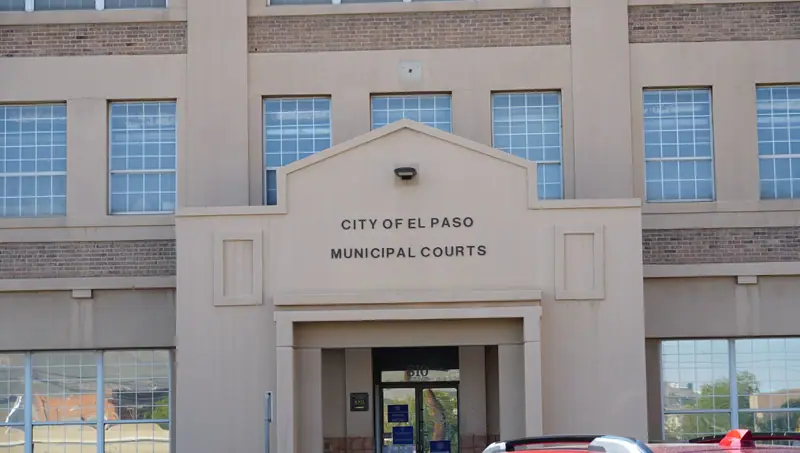
After the order, complete the DPS process and verify authority
The court sends certified copies of the petition and order to DPS, and the applicant generally must submit the required documents and fees. DPS instructs applicants to provide certified copies, an SR-22, occupational-license fees, and applicable reinstatement fees. The DPS online eligibility system can help identify outstanding requirements, but it is not a legal opinion about court eligibility.
Texas law may permit an effective court order to be used as a restricted license until the 45th day after the order takes effect. That rule should never be reduced to ‘you can drive for 45 days after filing.’ The order must actually be granted and effective, the driver must satisfy applicable financial-responsibility requirements, and every restriction in the certified order controls. Read the signed order and DPS instructions before driving.
FAQ
Frequently asked questions
Is the judge’s order the same as an occupational license?+
No. The order authorizes restricted driving and states the conditions; DPS separately issues the occupational license after it receives required documents, SR-22 proof, fees, and any reinstatement items. The order may serve temporarily only as current law and its effective terms allow.
Can I drive a commercial vehicle with an occupational license?+
No. Texas law does not allow an occupational license to authorize operation of a commercial motor vehicle. A CDL holder may need advice about personal noncommercial driving and separate professional consequences.
Where do I file in El Paso County?+
Venue depends on the reason for suspension, county of residence or incident, and whether a conviction or court order caused the action. Justice, county, district, or the court of conviction may be involved. Confirm jurisdiction before filing.
What are a Type AR record and an SR-22?+
DPS identifies Type AR as a certified abstract of the complete driving record, including suspensions. An SR-22 is a financial-responsibility certificate filed by an insurer. DPS says a regular insurance card does not replace the SR-22 for occupational-license issuance.
How many hours can an occupational license allow?+
The statute uses a four-hour daily default and permits up to 12 hours in a 24-hour period when necessity is shown. The signed order controls the actual hours, routes, purposes, and additional conditions for the individual case.
Can I drive as soon as the petition is filed?+
No. Filing alone is not permission to drive. Driving authority depends on a granted, effective order, compliance with its terms, and applicable DPS and insurance requirements. Confirm the actual documents before operating a vehicle.
El Paso County focus
Official resources
These government and nonprofit pages provide general public information. External sites may change and do not replace advice about your case.